Copper at Record Highs: What Is Really Happening?
Copper hit an all-time high on the LME and then held there even after the Fed raised rates. Two separate things are driving it — the world’s biggest mines are struggling to produce, and the threat of a US tariff has pulled a huge share of the world’s exchange copper into American warehouses. Yet some forecasters still expect a small surplus in 2026. How all of that can be true at once.
On 10 September 2026, copper touched an all-time high of $14,875 a tonne on the London Metal Exchange (LME). By 22 September, the three-month price was back at $14,760, close to that record.
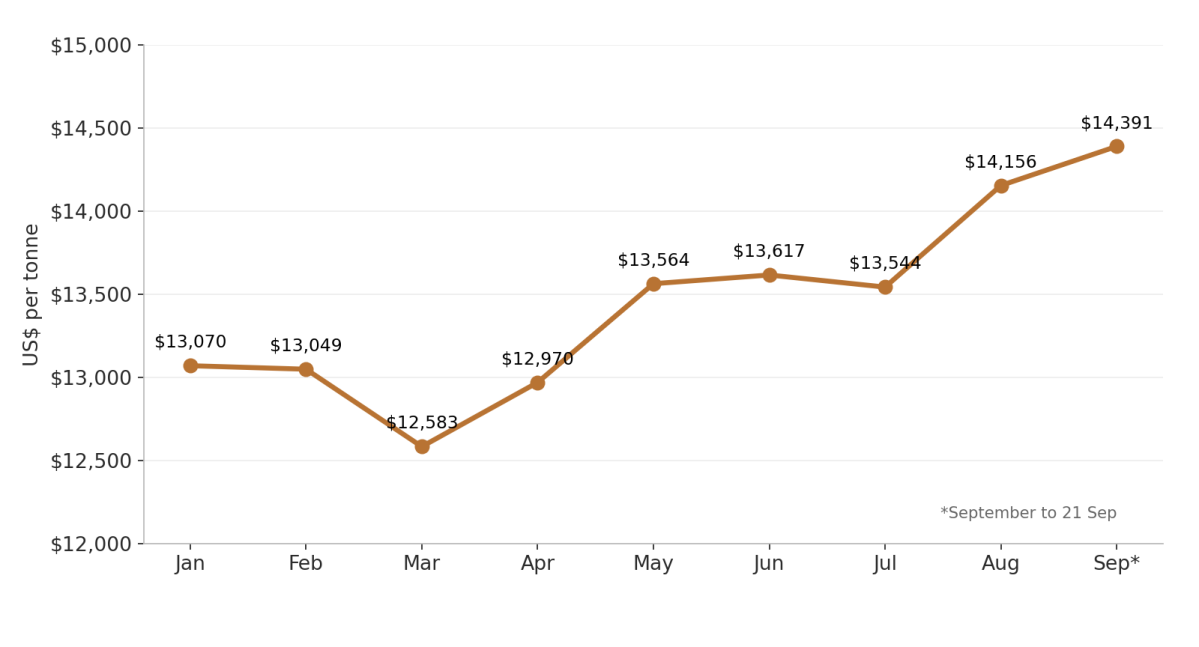
Here is the interesting part. On 16 September, the US Federal Reserve raised interest rates by 0.25%, from 3.75% to 4.00%. Higher rates usually hurt industrial metals, because they slow down building, manufacturing and the wider economy. Copper went up anyway.
Two things are driving this.
First, the world’s biggest copper mines are struggling to produce more. Several have had serious setbacks, and new mines take many years to build.
Second, the chance of a US tax on imported copper has pushed traders to pile huge amounts of copper into American warehouses. That leaves less copper for buyers everywhere else.
But there is a twist. Despite all these problems, some forecasters still expect the world to produce slightly more refined copper than it uses in 2026.
How can all of this be true at once? To answer that, we need to look at how the copper market works.
Why copper matters
Copper carries electricity very well. That is why it is used in wiring, power lines, motors, transformers, vehicles and factory equipment.
Three areas matter most for future demand.
- Power grids. As countries build more power plants and transmission lines, they need more cables, transformers and substations.
- Electric vehicles. EVs use copper in their motors, batteries, wiring and chargers.
- AI and data centres. Data centres need a lot of electrical equipment: power cables, transformers, cooling systems and backup power.
These are long-term sources of demand. But that does not mean people will buy copper at any price. When copper gets very expensive, manufacturers can delay purchases, use recycled copper, or switch to aluminium where they can.
So the real question is whether copper production can keep up.
The world’s copper mines are struggling
Normally, when prices rise, producers dig more. Copper doesn’t work that simply.
Global copper mine production fell 1.1% in the first half of 2026, even though prices were at records. If that does not recover, 2026 could be the first year since 2017 in which world mine output falls.
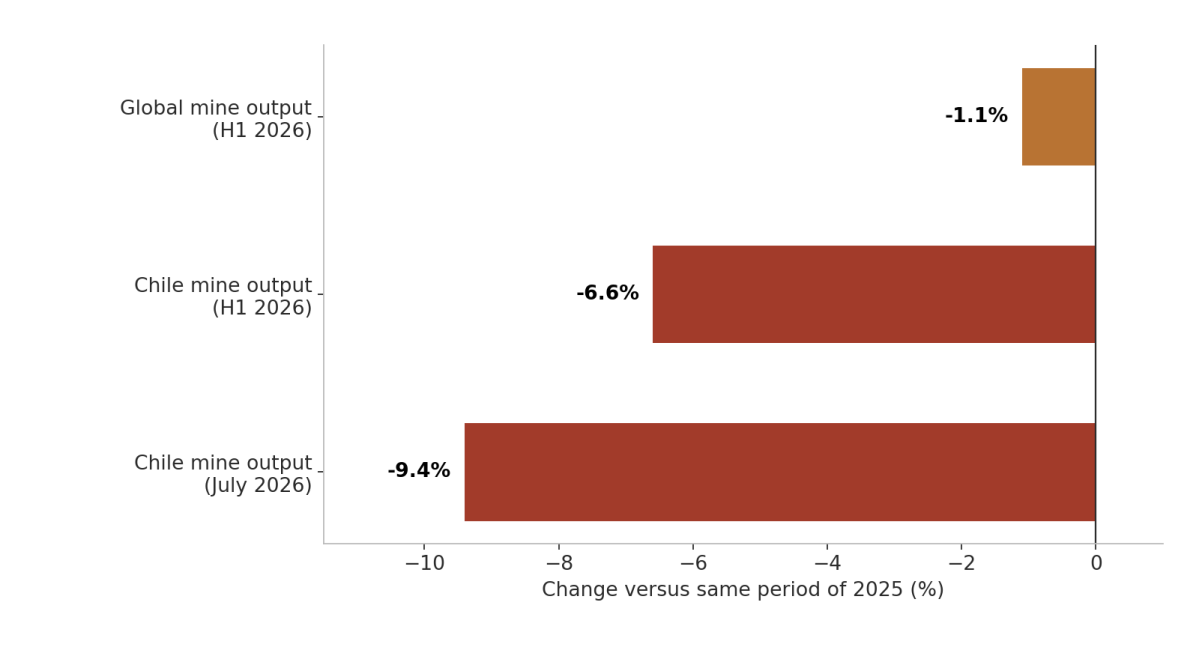
Chile, the world’s largest producer, is a big part of the problem. It produced about 23% of the world’s mined copper in 2025. Its output fell 6.6% in the first half of 2026 and another 9.4% in July.
Chile’s state copper commission, Cochilco, has cut its 2026 forecast to 5.27 million tonnes. Several large miners have also lowered their targets as they deal with accidents, bad weather and ageing mines.
Two mines show just how fragile copper supply can be.
Trouble at two major mines
Grasberg, Indonesia
Grasberg, run by Freeport-McMoRan, is the world’s second-largest copper mine. In September 2025, a mud rush flooded part of the underground mine and killed seven workers.
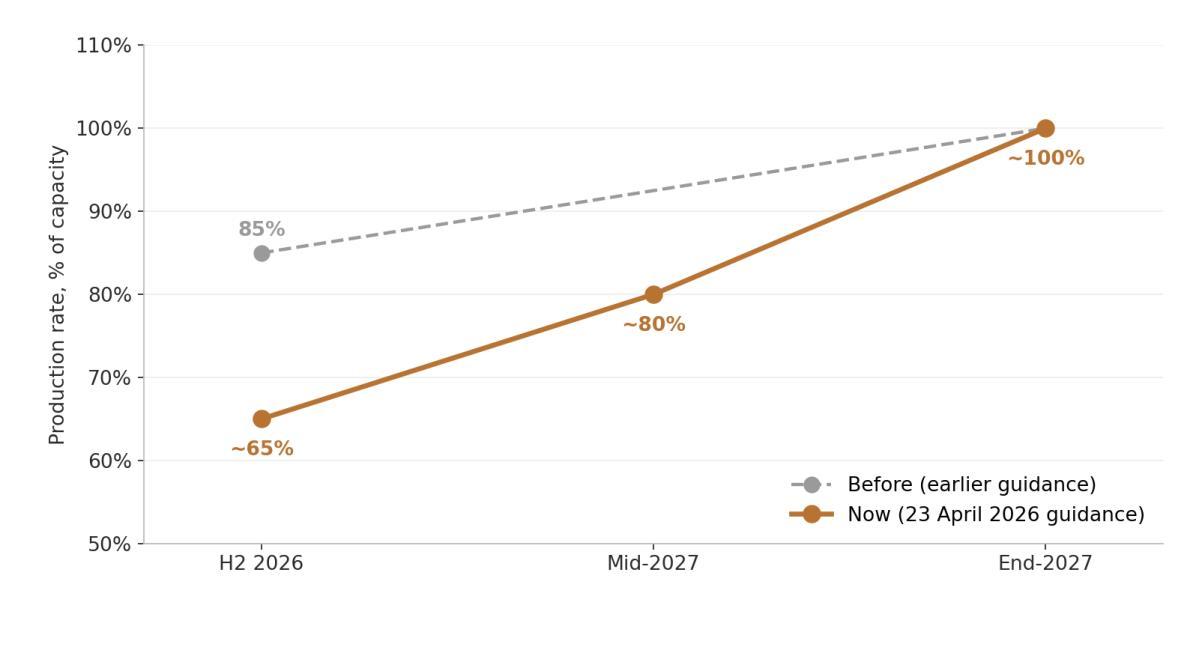
Mining restarted gradually from March 2026. Freeport expects its Indonesian operations to run at about 65% of normal in the second half of 2026, about 80% by mid-2027, and close to full capacity by the end of 2027. These are company targets, so the actual recovery still needs watching.
Part 2 takes this global picture to Indian companies: Connecting the Global Copper Story to Indian Equities.